Painter of the Valais · École de Savièse

Raphy
Dallèves

Sion, 1878–1940

A modern primitive: the contemporary of cubism who chose the Quattrocento to paint the peasant world of the Val d'Hérens.

Founding collection of the Musée d'art du Valais. Associate of the Société nationale des Beaux-Arts, Paris, 1913. Catalogued by Frédéric Elsig, 1999.

Raphy Dallèves, Woman of Évolène in a red camail, elderly woman in Valais costume, tempera
21 · Woman of Évolène in a red camail · tempera · 70 × 58 cm · private collection, Sion

The thesis

Answering modernism by reaching behind it.

Raphy Dallèves (1878-1940) is the most singular of the Valais painters of the École de Savièse. Trained in Paris (Académie Julian, then the École des Beaux-Arts, 1899-1905) and steeped in the Italian rooms of the Louvre, he built between 1901 and 1905 a "primitivist language" fusing the linear elegance of Art Nouveau with the tempera of the Quattrocento primitives. His old spinners, his costumed women of Évolène, his goats at dusk are not folklore: they are, in Buzzini's phrase, "the memorial and the armorial of a race."

"A modern primitive." Frédéric Elsig, 1999

1903

Transparency

A first clear, transparent manner drawn from watercolour.

1913

Gold leaf

A harder line, gold, echoes of the primitives: Botticelli, Fra Angelico.

1918

Monumentality

Volumetric simplification, breadth, the calm of large compositions.

1930

Holbein

A stiffer, more Helvetic manner: Holbein replaces Italy.

Gallery

Selected works

17 · Sur l'alpage
tempera on Eternit · 120 × 150 cm · private collection, Sion
3 · Le Lavoir d'Hérémence
1905 · tempera on canvas · 155 × 192 cm · Musée d'art du Valais
18 · L'Homme à l'écuelle
1910 · tempera on cardboard · 76.5 × 95 cm · Musée d'art du Valais
27 · Deux Évolénardes aux pots de lait
tempera on cardboard · 74 × 55 cm · private collection, Zurich
37 · Après la messe
1920 · tempera · 100 × 90 cm · City of Sion
40 · Nativité
1924 · tempera on Eternit · 115 × 165 cm · private collection, Binningen

Reproductions after Frédéric Elsig's catalogue (1999). Works in the public domain (the artist died in 1940). High-resolution photographs of the originals will enrich this gallery. See the full catalogue raisonné (61 works) →

The European context

Not "a Valais painter." A Swiss node in a European story.

The deliberate return to the "primitives" runs across turn-of-the-century Europe. Dallèves belongs to it fully.

  • Joseph Southall · England: the revival of tempera, c. 1890, in the Pre-Raphaelite wake.
  • Botticelli · Fra Angelico · the rediscovered Quattrocento, a model of linear and spiritual clarity.
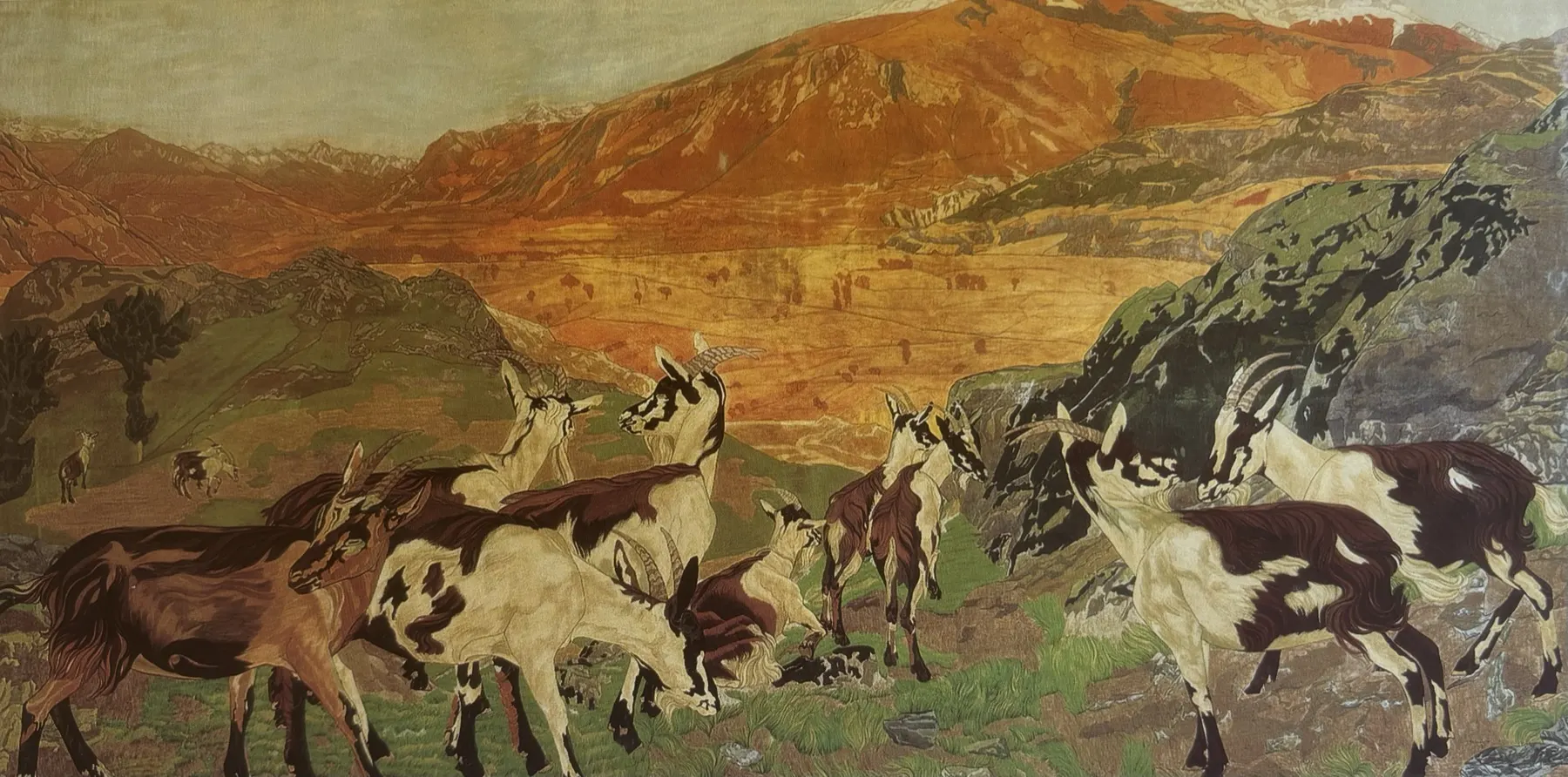
  • Giovanni Segantini · the alpine pastorale as sublime; the 1913 Goats answer him.
  • Ferdinand Hodler · The tutelary figure of Swiss painting of the era; Dallèves belongs to the generation working in his wake.
  • Grant Wood · the regionalism of the American Midwest, a contemporary parallel.
  • Hans Holbein · the Helvetic model of his final years.
Life

A timeline

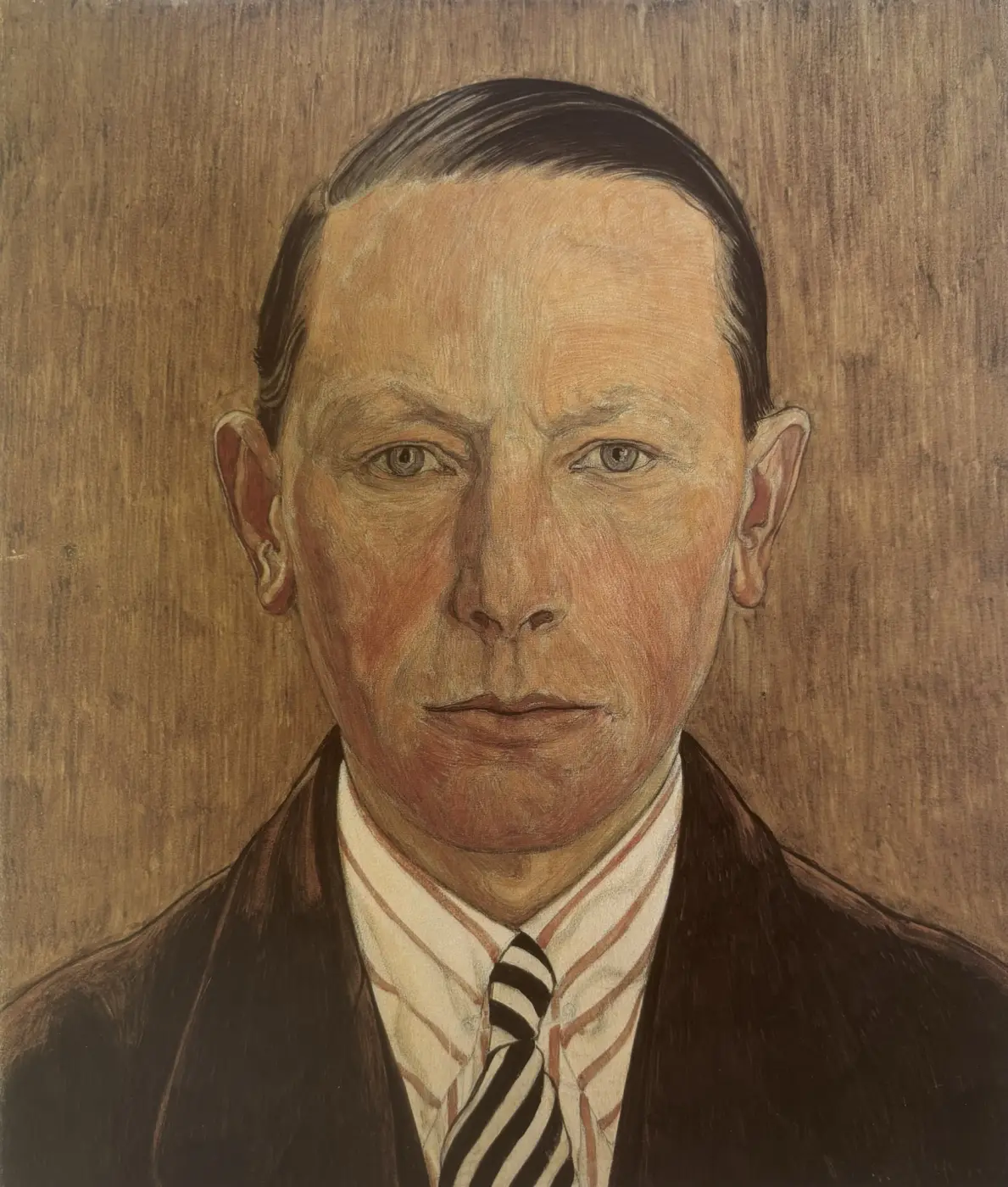
Raphy Dallèves, autoportrait / self-portrait, tempera
Self-portrait · temperaWork in the public domain
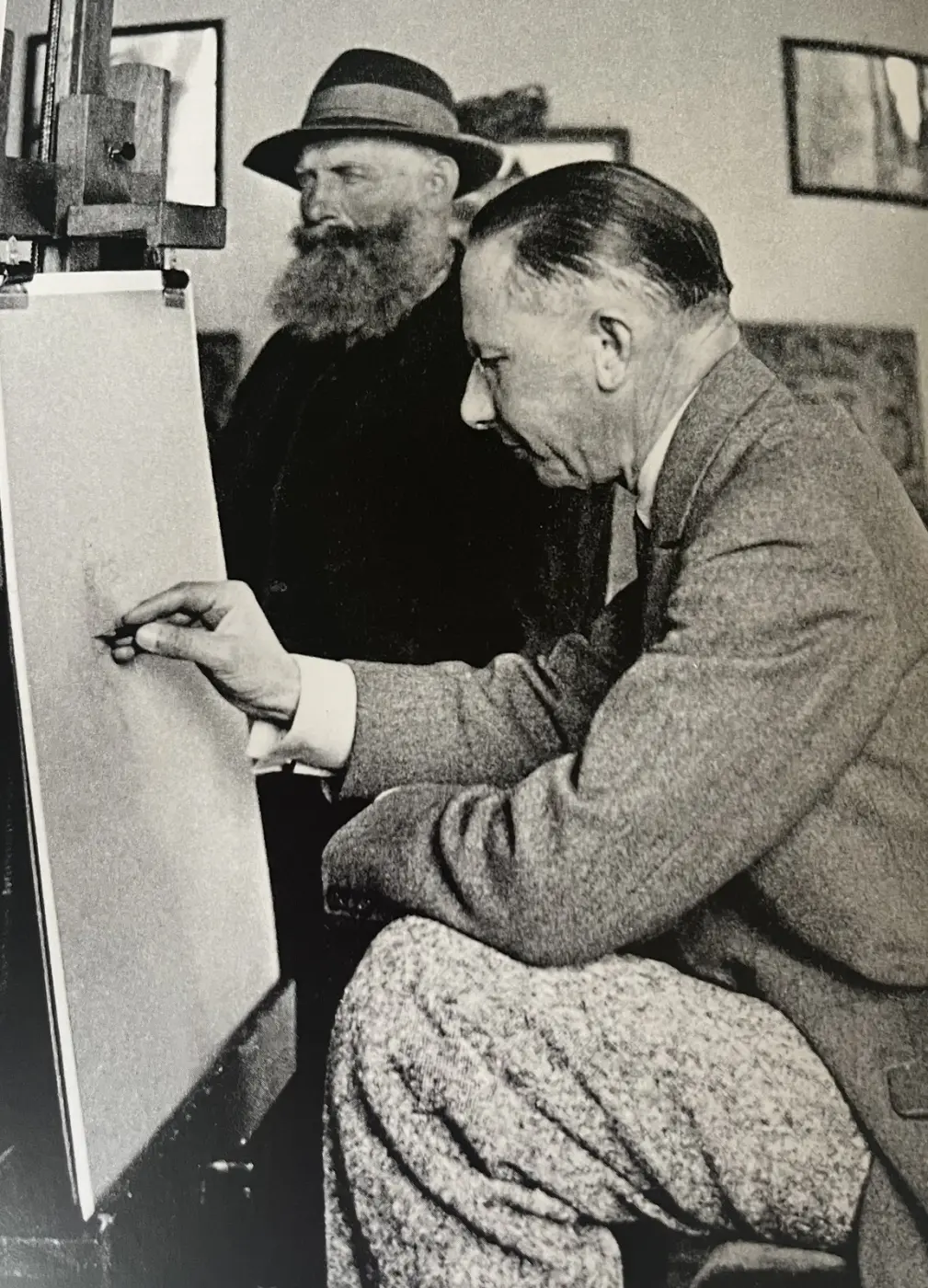
Raphy Dallèves at work at his easel
at work at his easelFamily archive · source being confirmed
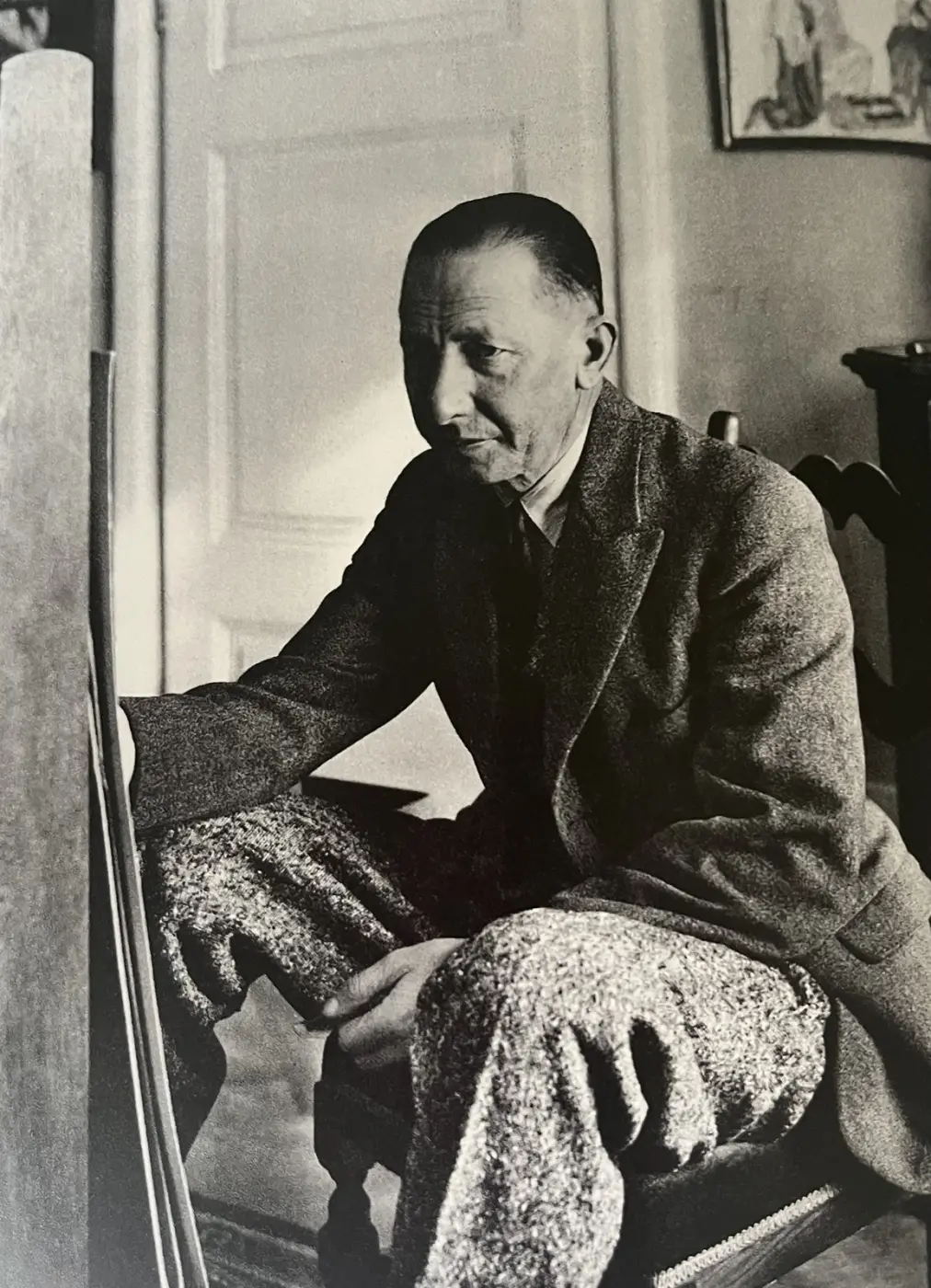
Raphy Dallèves Photographic portrait
Photographic portraitFamily archive · source being confirmed
1878
Born 26 January in Sion, third child of Raphaël Dallèves, Chancellor of State.
1899
Paris: Académie Julian, then the École des Beaux-Arts (until 1905).
1905
With Ernest Biéler, helps found the Société des traditions valaisannes. Exhibits in Munich.
1913
Elected associate of the Société nationale des Beaux-Arts, Paris. Exhibits in international shows (Munich, Berlin, Rome).
1916
Exhibits at the Helmhaus, Zurich ("Walliser Maler").
1937
Member of the cantonal commission for historic monuments.
1940
Dies 6 July in Sion; bequeaths the greater part of his work to the City of Sion and the Canton of Valais.

The legacy

The museum he dreamed of was never built.

On his death in 1940, Dallèves left the bulk of his work (some two hundred pieces) to Sion and the Valais. That gift became the founding core of the Musée des beaux-arts de Sion, opened in 1947. Then the painter slipped, in Elsig's words, into "relative oblivion." 2028 marks 150 years since his birth. The moment to finish what was begun.

To give a modern primitive back the light he gave the Valais.

Propose an exhibition or a loanPress kitFor museums, press and researchers.

Stay informed

Towards 2028

2028 marks 150 years since Raphy Dallèves was born. Leave your address to hear about exhibitions, publications and news around his work.

A few messages a year, at the project's milestones. No spam, unsubscribe anytime.

Press & resources

For institutions and the press

A press kit, fact sheet, high-resolution images and the standard monograph are available.

The reference

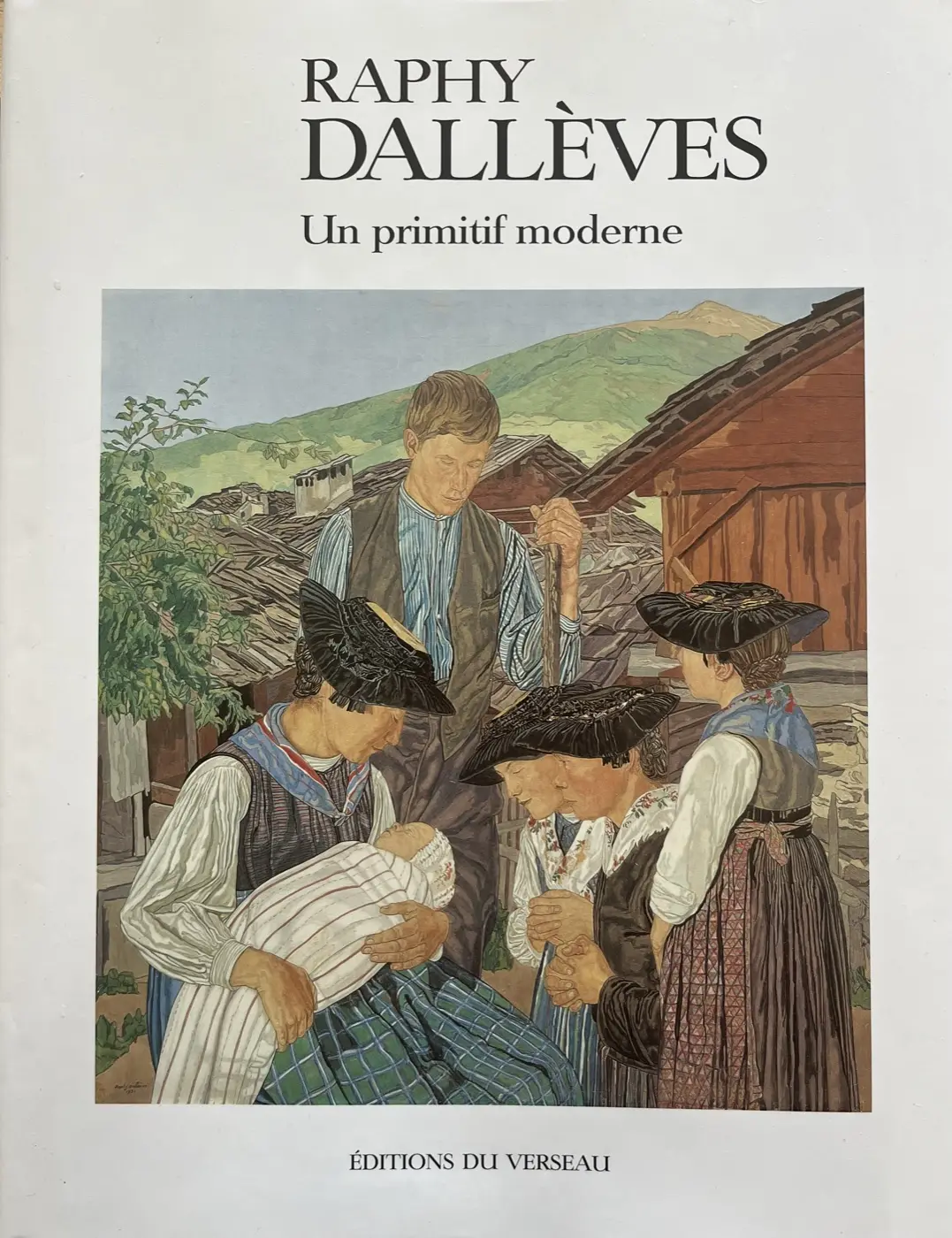
Un primitif moderne

The standard work remains the monograph by Frédéric Elsig, Raphy Dallèves. Un primitif moderne (Éditions du Verseau, Denges, 1999), which establishes the catalogue and the four-phase reading used here. It builds on the first monograph by Louis Buzzini (1941).